





The Journey of Goods From Importers to Retail Shelves
A cardboard box leaves a dusty factory floor in Asia, sits inside a steel container on a massive cargo ship for weeks, and eventually ends up on a brightly lit shelf in a suburban shop. This journey looks simple from the outside, but it actually depends on a complex web of warehouses, transport routes, and precise paperwork.
Most people never think about the invisible machinery that keeps grocery stores and clothing boutiques stocked every single morning. Behind every single purchase sits a relentless chain of custody involving forklift drivers, transport planners, and customs inspectors who ensure items arrive intact and on schedule.
The Arrival at the Port Warehouse
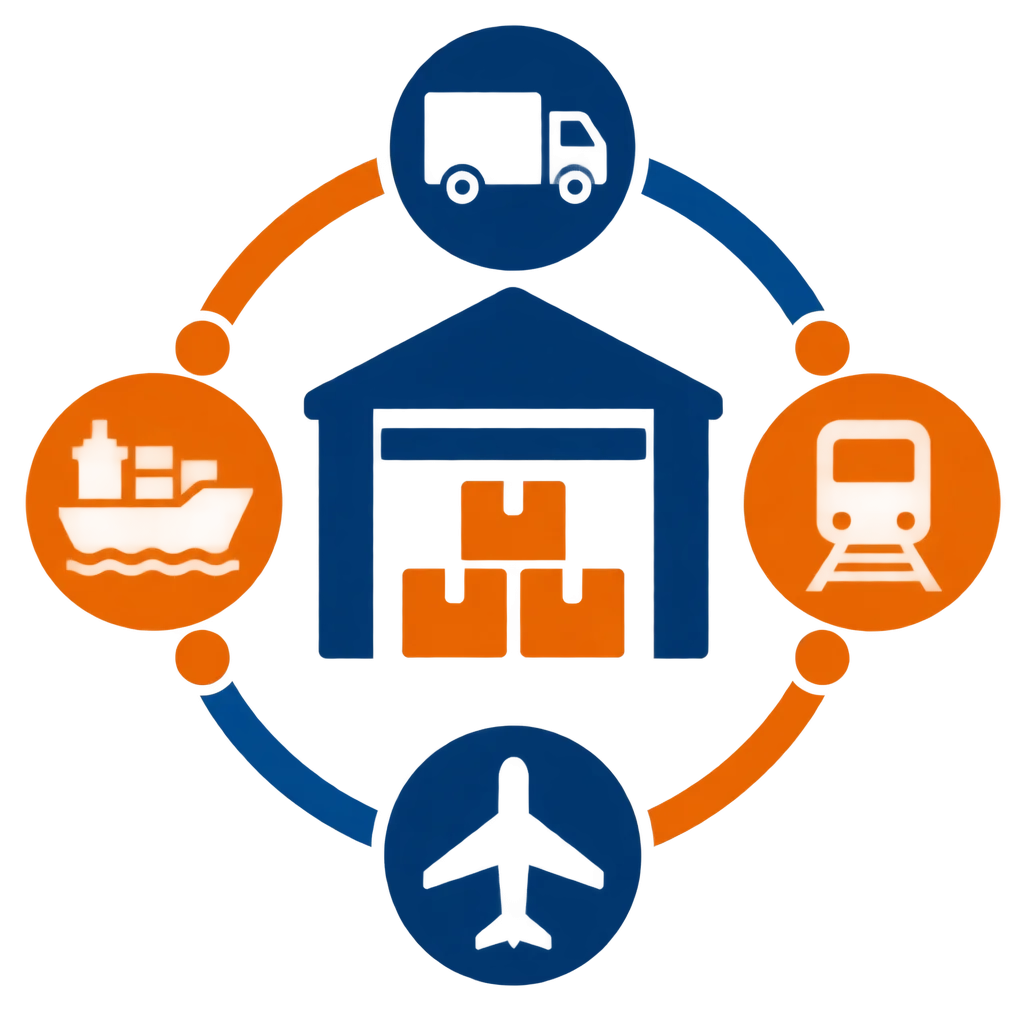
When massive container ships dock at regional ports, the real work begins. Cranes lift heavy metal boxes from the vessel and place them onto waiting trucks, which haul the cargo directly to large distribution centers situated near major highways.
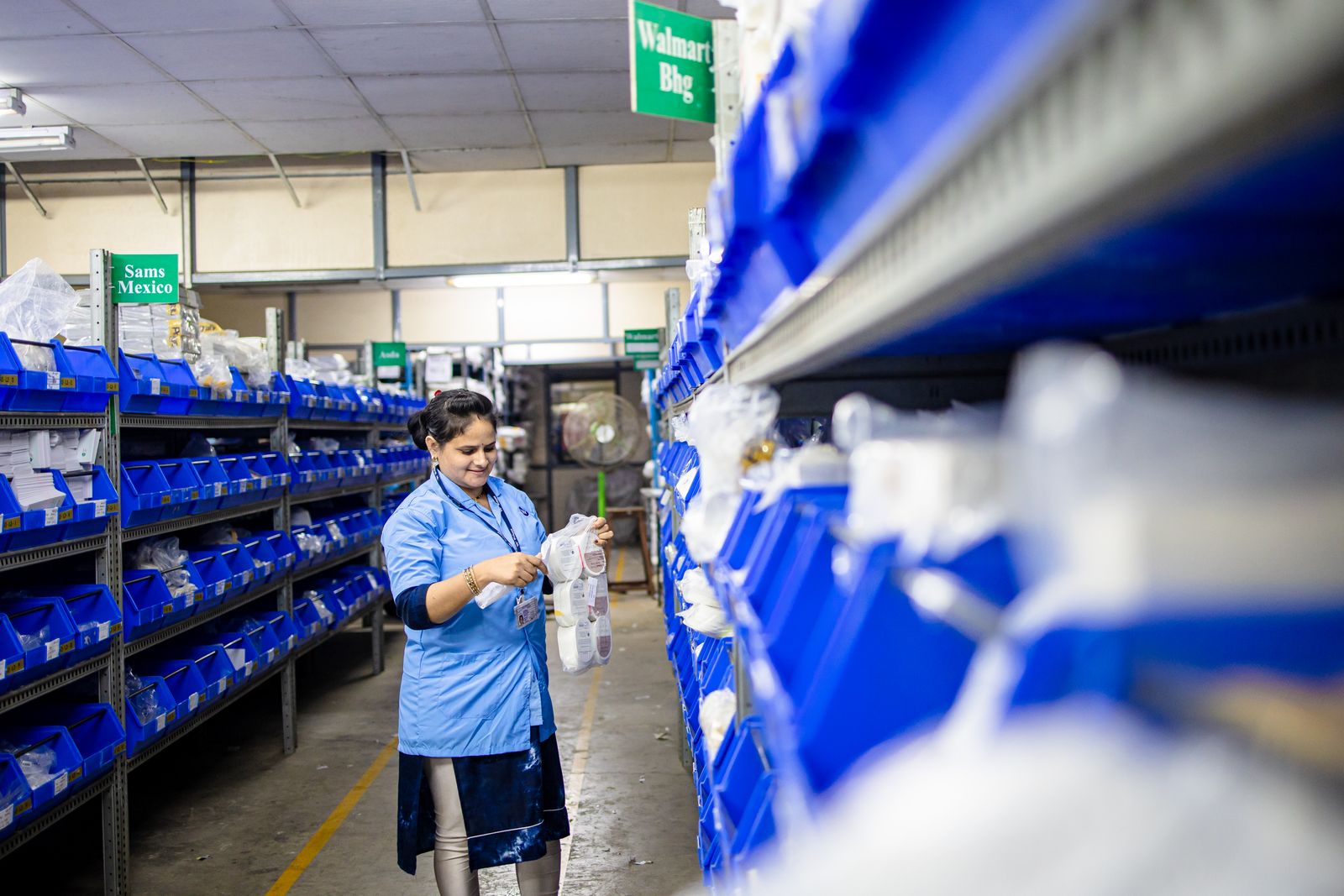
Workers at the warehouse doors break down the bulk containers, sorting thousands of individual items by destination and product type. Every pallet undergoes a thorough check to spot damaged packaging or missing units before it enters the main storage racks.
Navigating Customs and Paperwork
Before any product can cross international borders or enter local commerce, it must clear strict regulatory checks. Customs clerks review stacks of manifests, commercial invoices, and origin certificates to verify the legitimacy of the cargo.
Missing stamps or incorrect product codes can trap a truck at the border for days, halting the entire supply chain. Accurate documentation acts as the true passport for freight, allowing it to glide through checkpoints without unnecessary delays.
Storage and Inventory Management
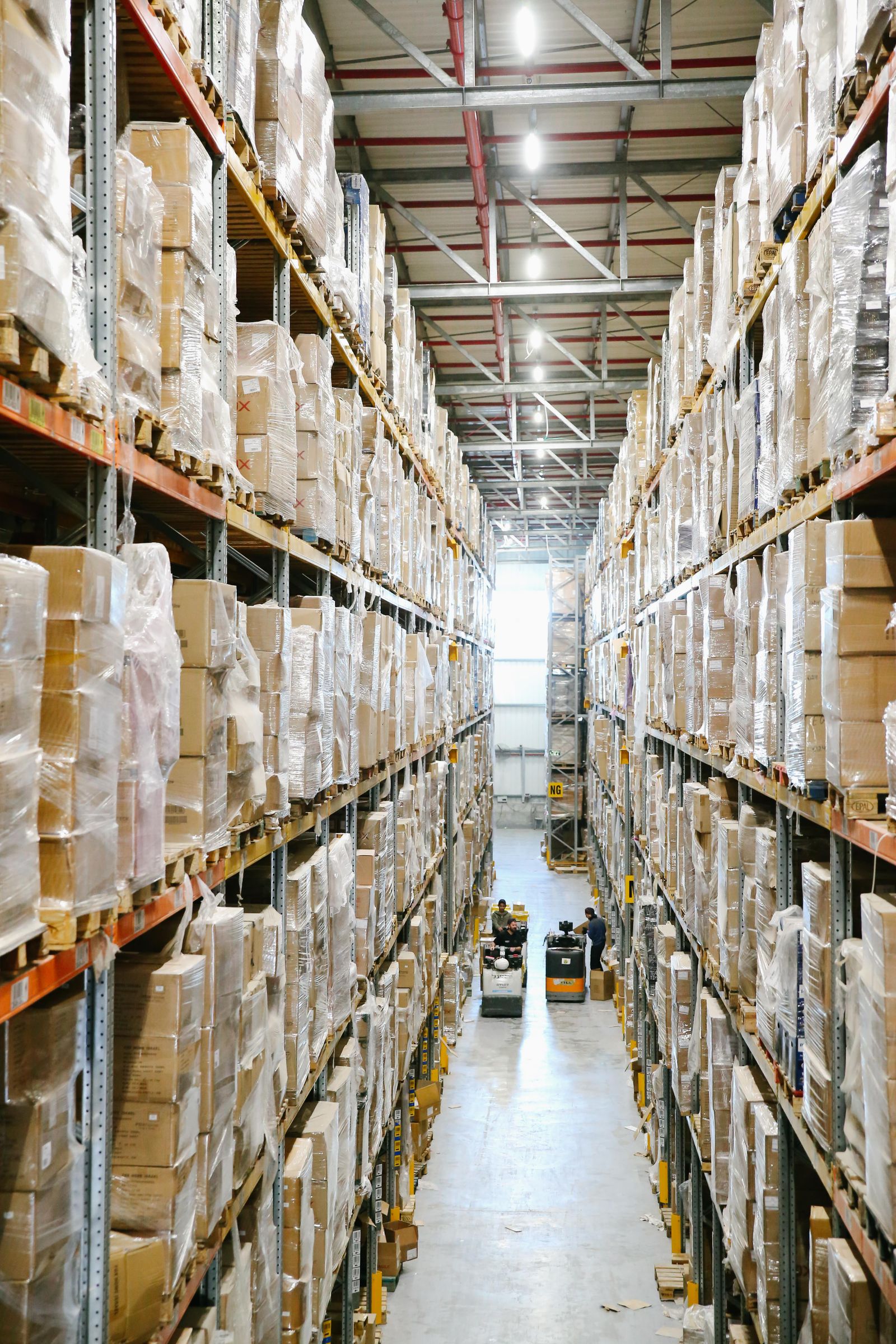
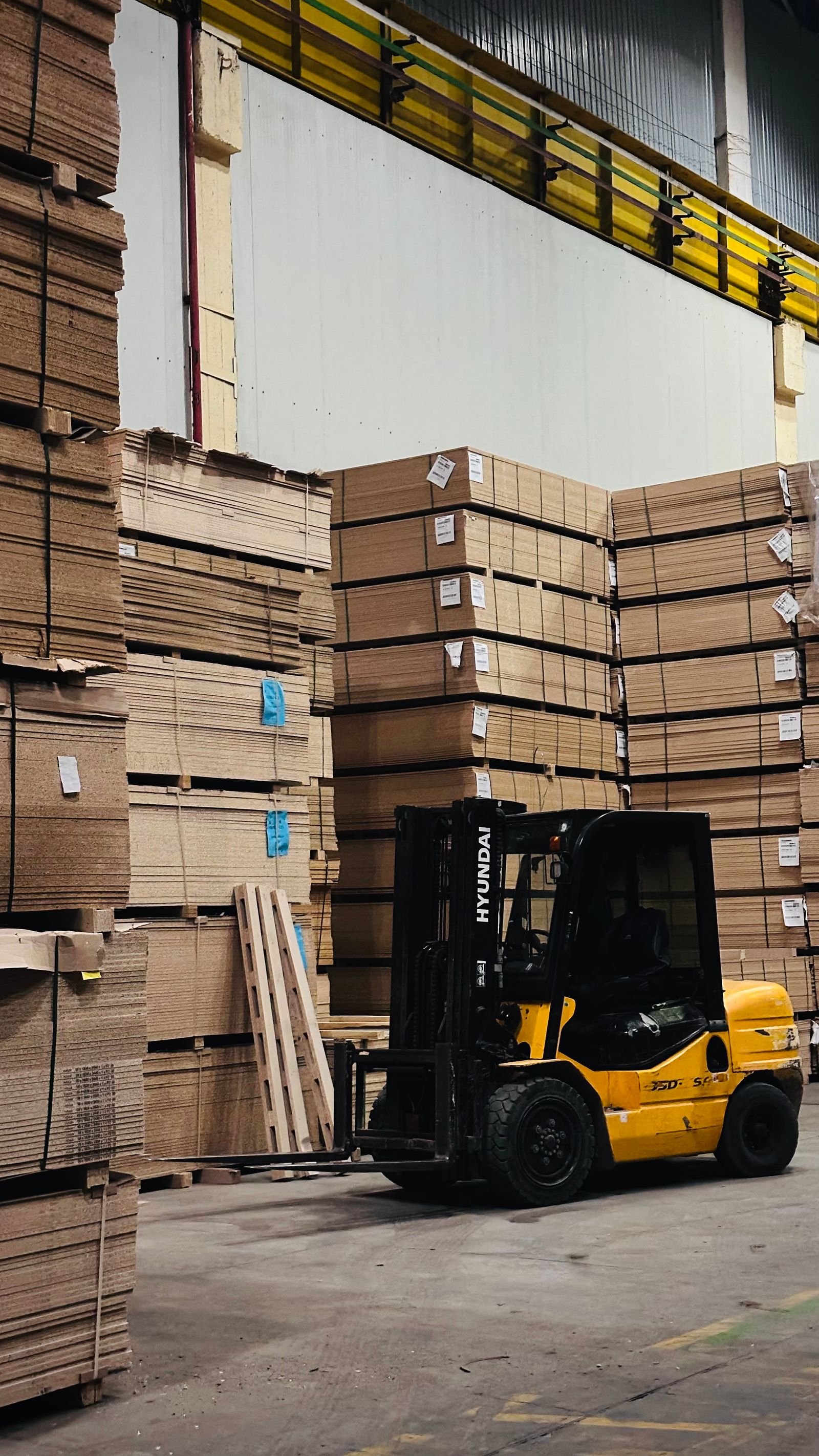
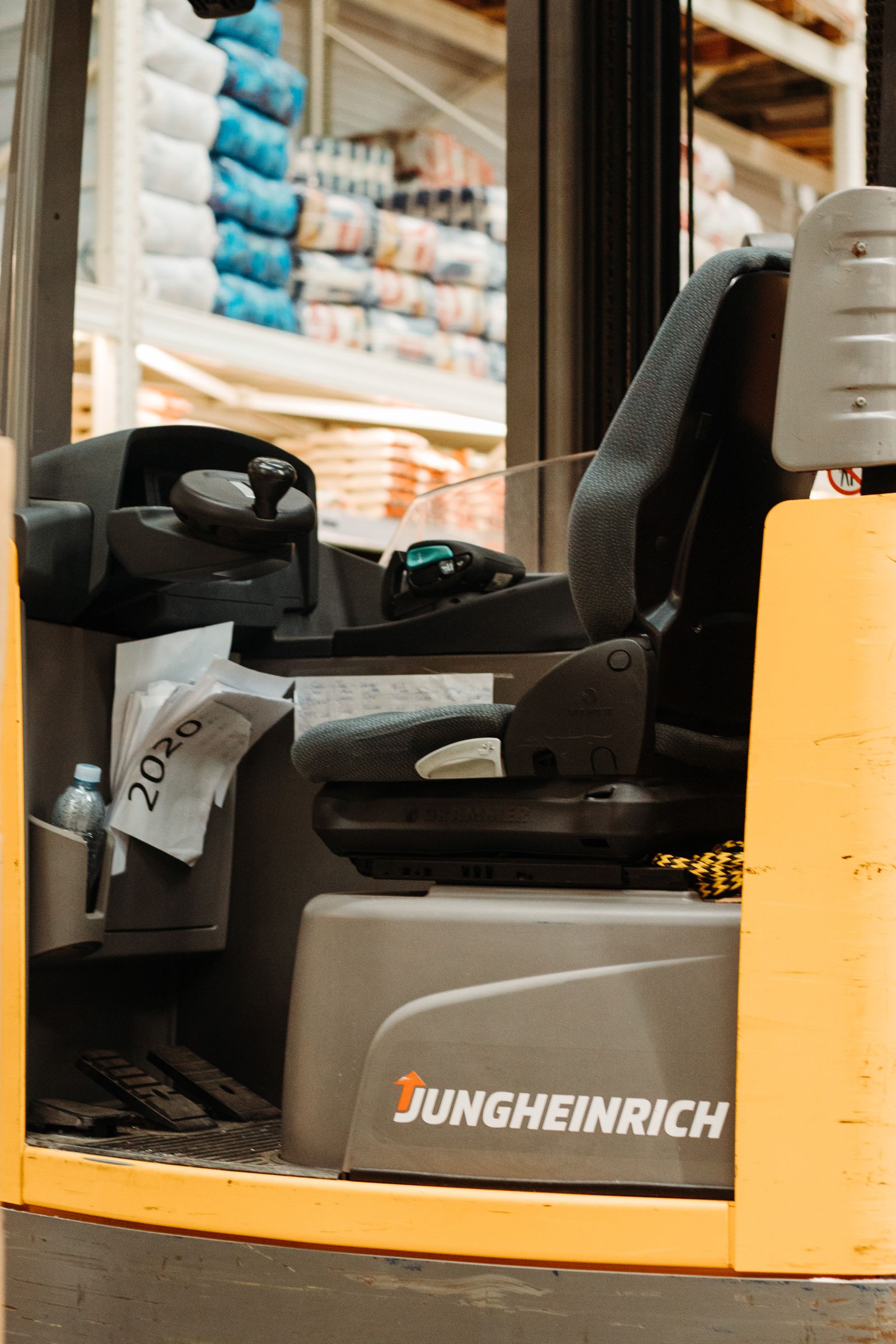
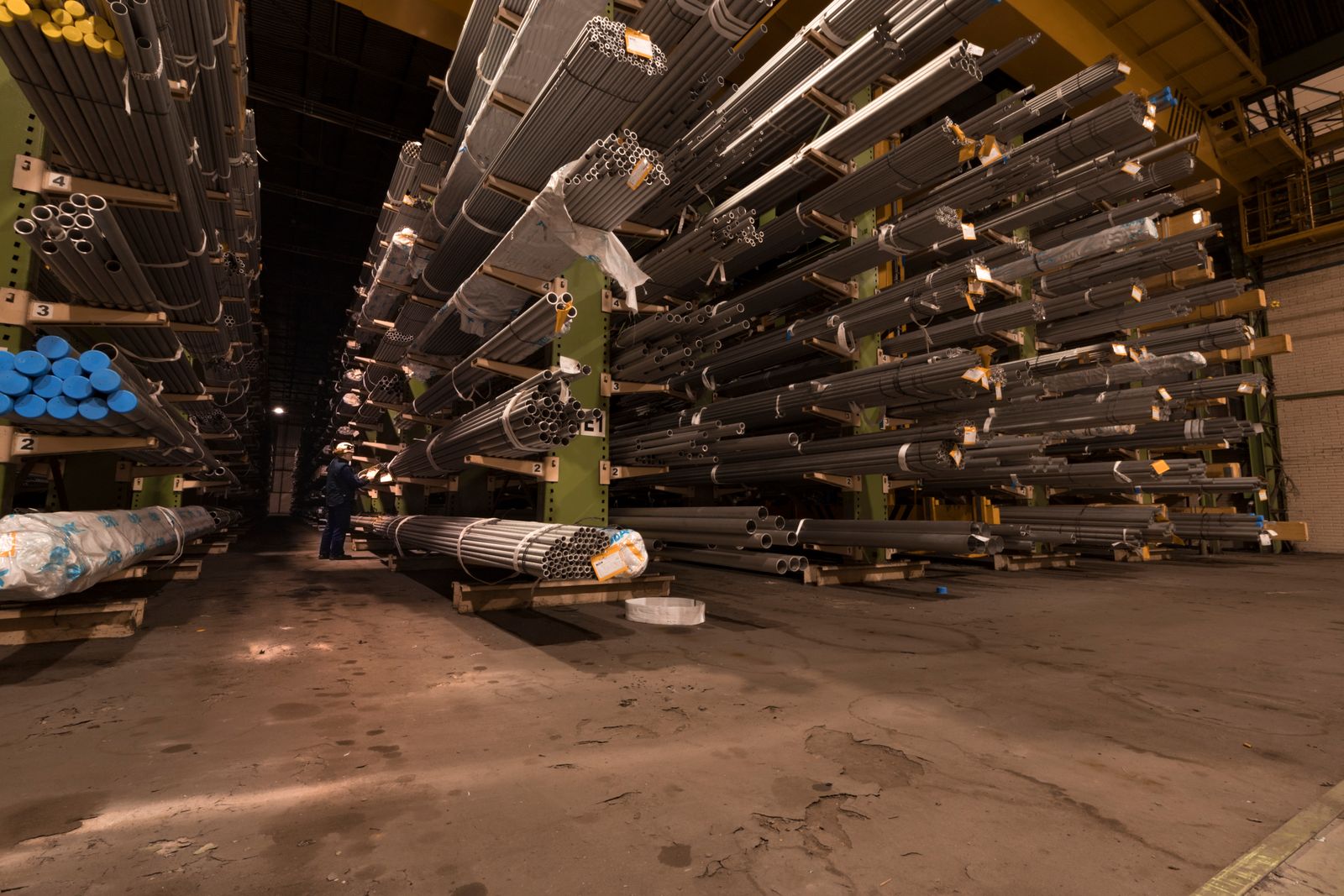
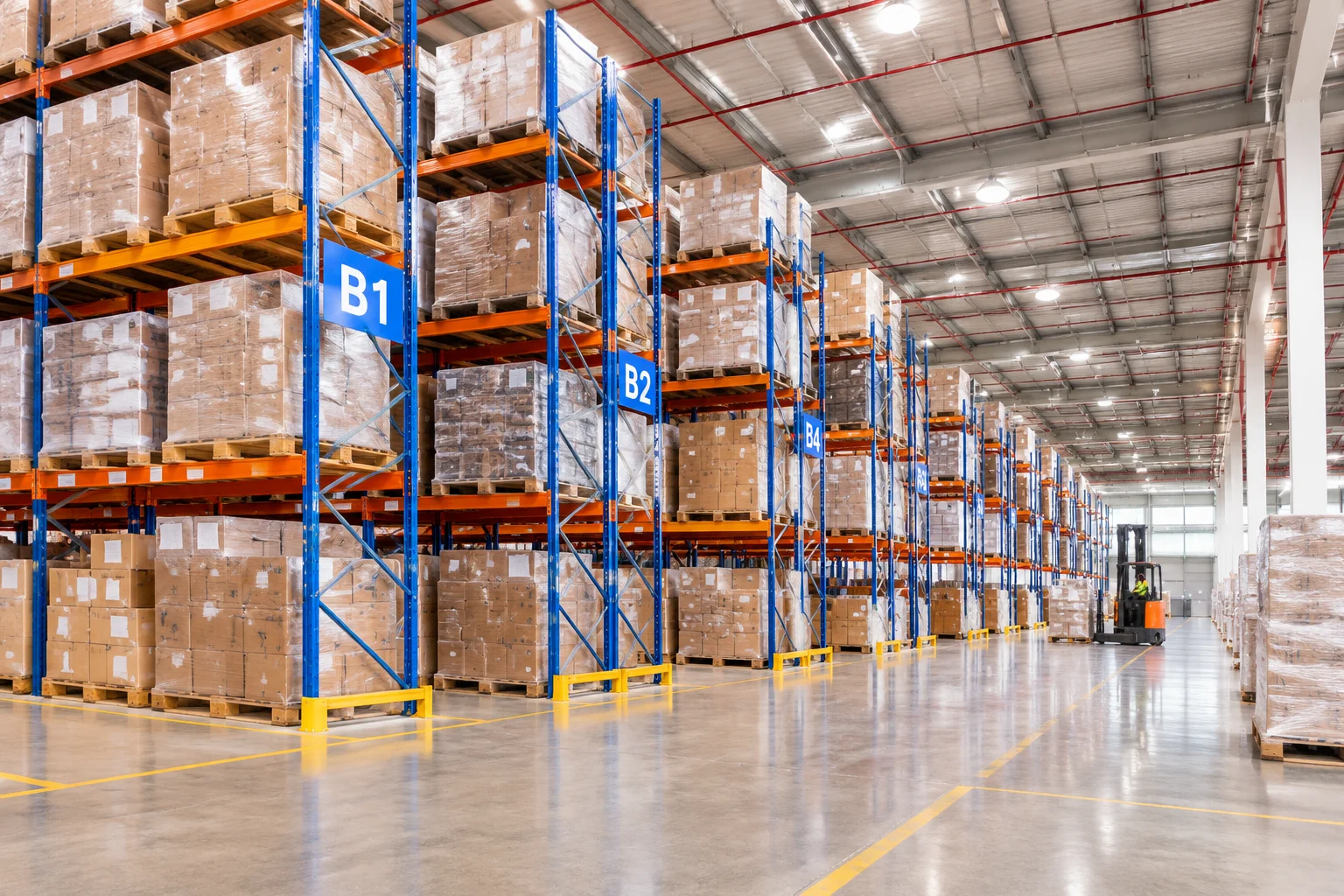
Once cleared, goods move into towering storage facilities equipped with narrow aisles and high-reaching fork lifts. Organizing this vast ocean of merchandise requires disciplined inventory methods.
Here are the core tasks managed inside a modern storage facility:
- Scanning incoming barcodes into digital databases
- Assigning specific shelf locations to seasonal products
- Consolidating partial pallets to save floor space
- Conducting random physical counts to verify stock levels
- Repackaging damaged boxes to protect fragile items
- Preparing outbound orders for early morning dispatch
Without these strict routines, warehouses quickly turn into chaotic mazes where merchandise sits forgotten while store shelves run completely empty.
Transport to Retail Shelves
The final leg of the journey relies on regional delivery trucks that navigate early morning traffic to reach local stores. Dispatchers plan these routes carefully to combine multiple drops into a single efficient trip, saving fuel and time.
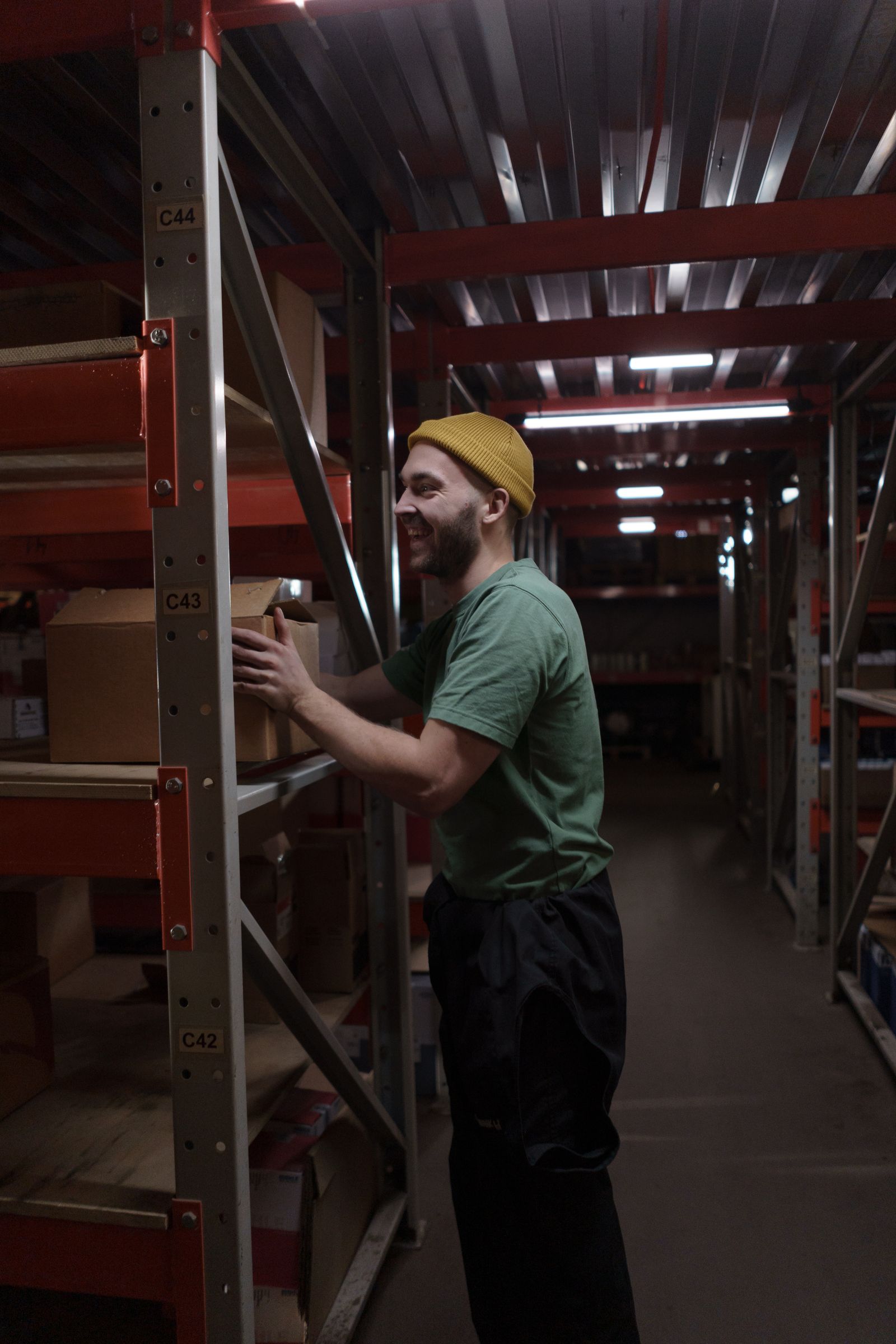
Store employees unload the heavy metal cages as soon as the truck backs up to the loading bay. They tear open the shrink-wrap, unpack the cardboard cartons, and arrange the items neatly on the retail shelves just before the morning shoppers walk through the front doors.